 5 minutes
HELLENiQ ENERGY: The Path to Regional Energy Leadership

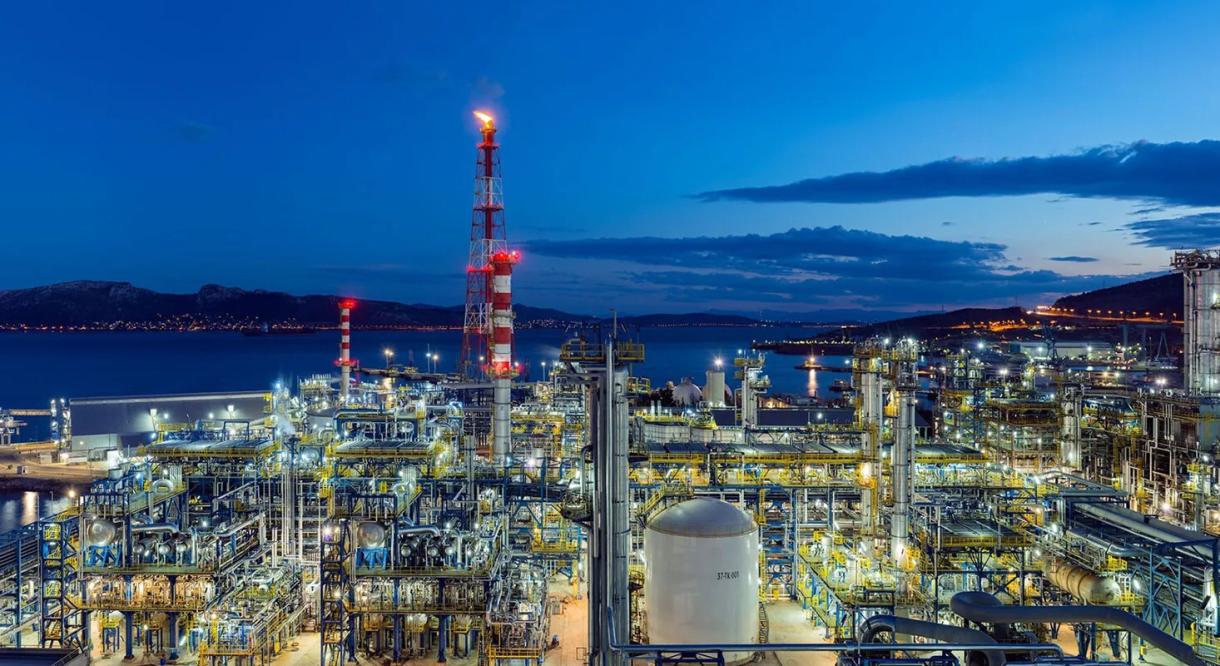
The European energy market has been reshaped by supply shocks, geopolitics and the push to decarbonize. Today new centers of power and new leaders are emerging, with Southeast Europe becoming increasingly important for energy generation and supply across the continent. HELLENiQ ENERGY is one such company which, under the guidance of CEO Andreas Shiamishis, has transformed from a domestic Greek oil refiner into a vertically integrated energy platform spanning refining, trading, infrastructure, renewables and power across eight countries with a reach that extends even further. He did this by driving a five-year transformation to restructure and diversify the group’s operations. As HELLENiQ ENERGY moves to a new growth strategy towards 2035 and beyond, Shiamishis reveals how he delivered results in one of the most turbulent times in the global energy market and his plans to build on this success.
What drove the transformation of HELLENiQ ENERGY?
HELLENiQ ENERGY used to be made up of government-controlled and owned companies, which meant we were not even the main refinery in Greece. You cannot survive as a small, independent refinery business in our industry, and it was clear to me that we had to control our destiny. We needed consolidation and streamlining and every asset had to generate cash flow or cash. Alongside that, a key task was to change how the outside world saw the company.
Did you face resistance at the time?
A lot. Moving people out of their comfort zone can be difficult. The benefit I had when I took over as CEO in 2019, was that I had been part of the group for a number of years, already knowing the company, having the trust of my colleagues and of the shareholders.
How would you describe the company today?
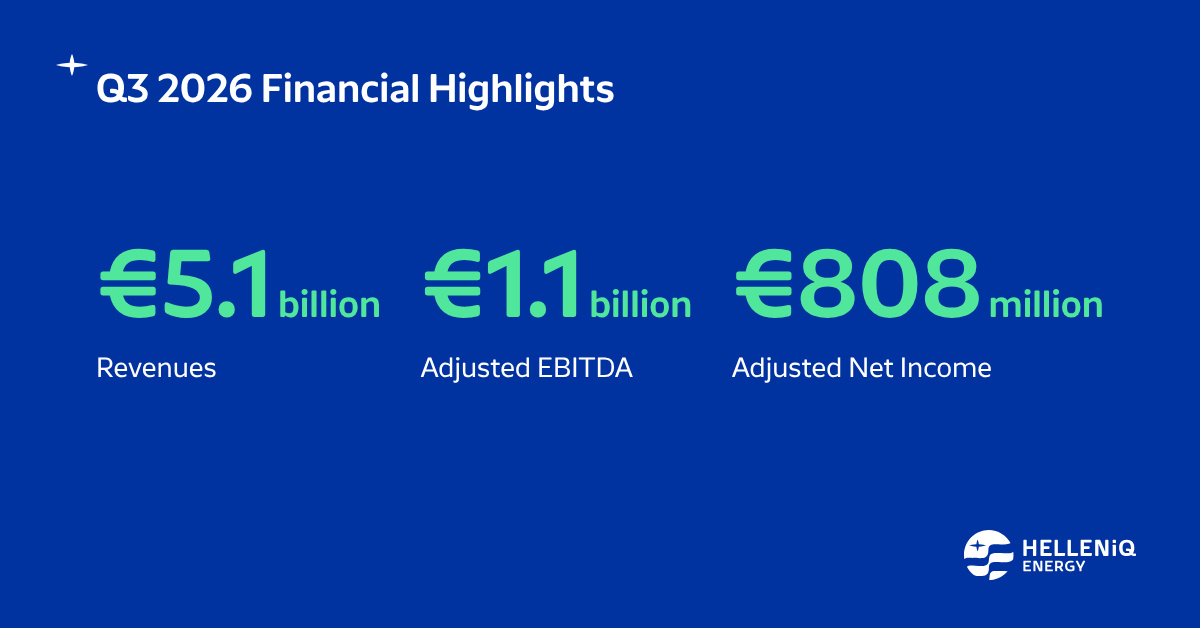
HELLENiQ ENERGY today is a different company in all aspects. We streamlined our power and gas presence. We brought the power assets together. We accelerated our expansion into retail. The Greek fuel retailer EKO, was losing money, now it's making money, and it's the first choice for Greek consumers. I'm very proud of our operational excellence.
We have a solid delivering base in refining, but we are diversifying to sell other products and services. In 20 years, if we don't need oil, we will have a group active in clean energy, which is going to be around for decades to come.
How challenging was it to deliver your transformation strategy in one of the most volatile periods the global energy sector has ever experienced?
It certainly made it more difficult. In ancient Athens, people rallied behind a common cause in a crisis, and sometimes that makes it easier to speak to the hearts of people. That happened here too.
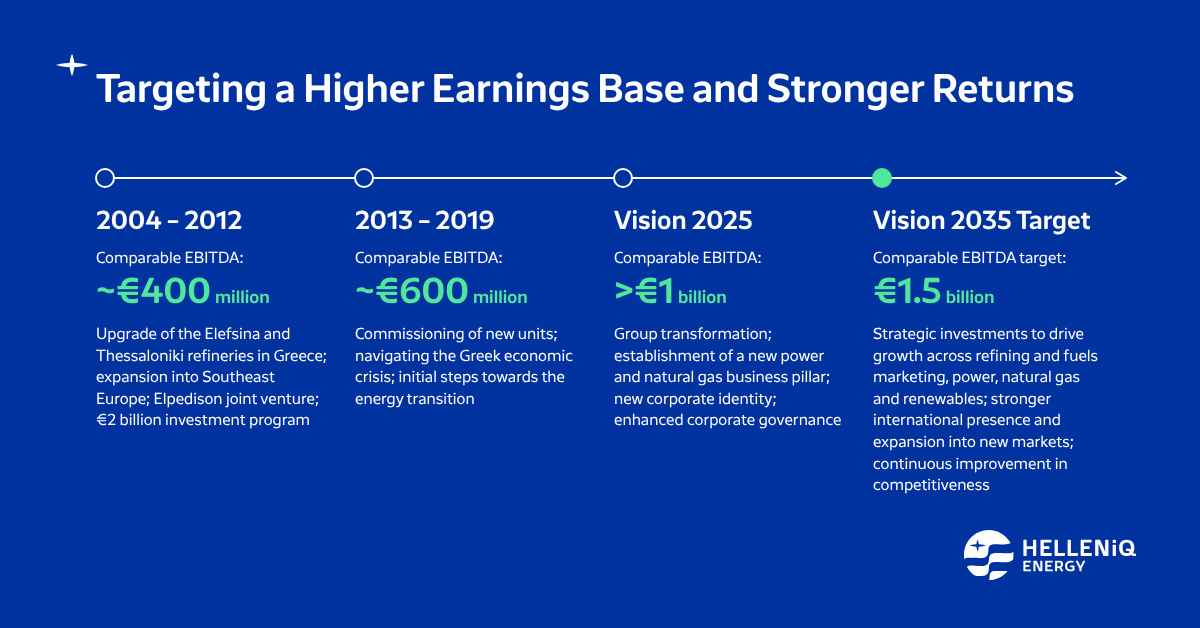
It’s not about the government or politics, it’s about the company. We took note of what was happening around us and adjusted our strategy on that basis. Our strategy, which we called Vision 2025 and was launched in 2020, was mostly about changing the governance, the organization and the operational excellence of the company; it was less about exactly where we invested our money.
We’ve also become better at managing risk. We had been through sovereign crises, supply chain shocks when major countries were out of the market. Then there was Covid-19, then global conflicts. Our ability to adapt and manage these changes is a sign of the strength of the company. I don't know what the world will hold for us in the next three or four years, but I know we'll be able to manage any challenges.
Your transformation strategy was supported by €2.4 billion ($2.69 billion) of investment. What has created the greatest value?
Our investments had two objectives: to increase the value of existing assets, and new business creation, which means renewables. The investment in renewables is not just about the financial return. It is the confirmation that we can chart our own course.
Our partnerships have been very important in this process. In energy production we had a 50-50 joint venture with a traditional power player—which gave us access to knowledge and people, and an accelerated learning process. Now we own 100% of the power company having built these capabilities internally.
Upstream partnerships with the biggest companies in the world in the E&P sector is now an integral part of our strategy for hydrocarbon and gas exploration in offshore blocks in the Greek seas. When you're planning a deep-water drilling operation, you cannot pretend that you know everything—these partners bring expertise.
And we’re a trusted partner for governments in many Balkan countries. A case in point is Vardax, the fuel pipeline from Thessaloniki to Skopje. After 13-years of inactivity, we reactivated it on New Year's Eve 2025, through a joint venture in which we hold 80%, while the government of the Republic of North Macedonia holds 20%. It is a success story for both of us.
You have outlined a new roadmap called Vision 2035. What strategic goals will you focus on this time around?
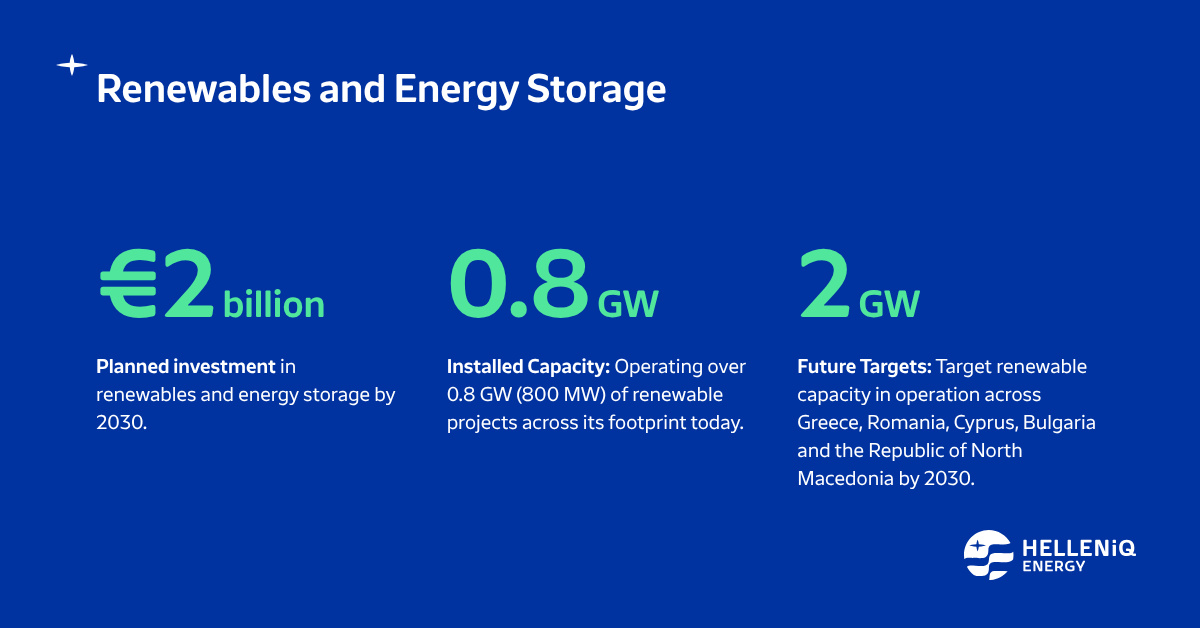
Vision 2025 was about transformation. Now we can focus on pushing the frontier. First, we will be more aggressive in our hydrocarbons business. Five years ago, people didn't want to hear the word oil—now we're not talking about an energy transition, it's an energy addition. The world needs more energy, and so it’s not a question of shutting down refineries and moving into renewables. There will be selective growth on renewables: less production, more storage, and more international expansion. The constraint is availability of suitable targets for acquisition.
Southeast Europe is now a strategically important region for energy security. How does that affect HELLENiQ ENERGY?
Our location is strategic because you get imports coming from Suez and products coming from the Black Sea. Greece has suffered economically over the past 15 years but now we have a stable government, and Greek companies have survived through a lot of challenges. It gives us the steel to act as a regional hub for Europe, for the Balkans and we're the number one supplier to Ukraine for diesel.
What have you learned about leadership from the success of Vision 2025?
First, you cannot get anything done without your team being in sync, and that team doesn't mean only the people around you. It is the whole system. Second, question yourself continuously and be courageous enough to say, "Well, sorry guys. I got it wrong.”
Finally, you don’t have to accommodate everybody, but you must be able to see things through their lens, whether that means communicating with shareholders, banks, capital markets or partners, because we had to make people understand that this is a credible company. Now, if I want to go anywhere in Europe to do business, they take us seriously.
At the Extel 2026 Awards, recently you won Best CEO in the Emerging EMEA Mid-Cap Oil & Gas category, and HELLENiQ ENERGY was recognized as one of the sector’s Most Honored Companies. Does external recognition matter?
It is significant because of where it's coming from. The people who voted for us are analysts and people who invest in our sector. It’s helping us to communicate the success of our story internally and giving us the added boost to continue doing what we're doing: we can feel proud of what we've achieved.
Read the full article here.